Video
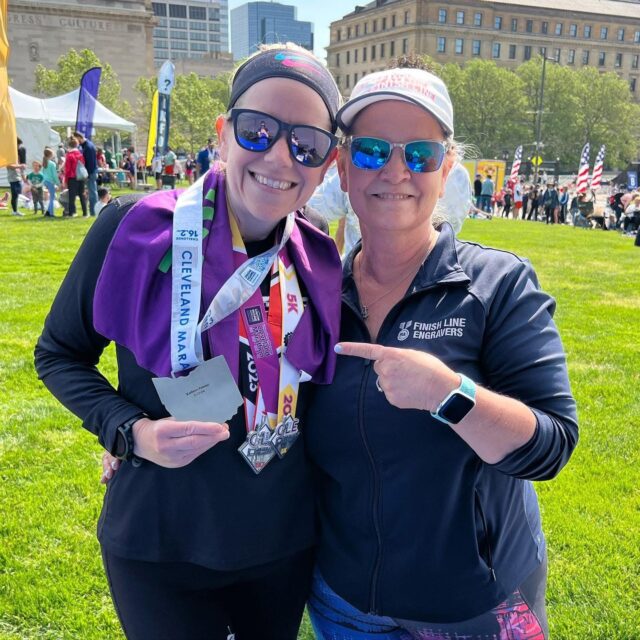
5 Questions with Aaron and Kris Olsen of Finish Line Engravers
In this inspiring interview, Running USA’s Leah Etling sits down with Aaron and Kris Olsen, the husband-and-wife team behind Finish Line Engravers. They share the runner-focused journey that led them to launch their business, and how their passion for the sport translates into personalized keepsakes for races nationwide. Hear how pride in their craft and a deep connection to the running community fuels every finish line they help celebrate.
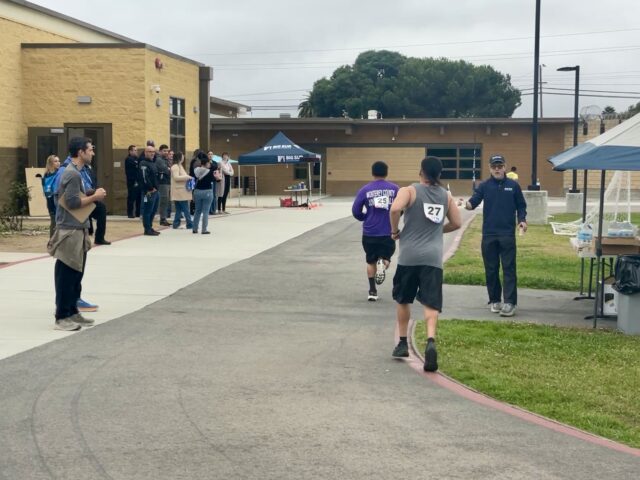
5 Questions with Big Sur Marathon Foundation's Jennifer Edwards: The Hall Half
In a video interview with Running USA's Leah Etling, Jennifer Edwards, Executive Director of the Big Sur Marathon Foundation, discusses the powerful impact of the organization’s recent “Hall Half” event, a half marathon held for youth in Monterey County’s juvenile detention center. Edwards shares that the experience was deeply inspirational—not only for the young participants but also for the volunteers and event organizers. She emphasizes how the discipline, accomplishment, and support involved in training for and completing a race can foster positive change, and she expresses hope that this exposure to the running community will serve as a lasting influence in helping the detainees build healthier, more purposeful futures.
Webinar Recording: What Does it Cost to Put on a Road Race?
Running USA has released its first 2025 Industry Insight report: What Does It Cost to Put on a Road Race?, offering a detailed analysis of the operational costs, revenue trends, and future outlook for race organizers across the U.S. Based on survey responses from event professionals representing a combined 1,000+ events annually, the report sheds light on the evolving financial realities of the endurance industry. The video above features highlighted findings from the survey results, presented by Running USA Director of Operations and research lead Dr. Michael Clemons.
The report is now available for download on the Running USA website. Find it here.

5 Questions with Anthea Dexter-Cooper, Executive Director of RunVermont
Jay Holder chats with Anthea Dexter-Cooper, the new Executive Director of RunVermont. Appointed in November 2024, Anthea brings a dynamic legal and environmental advocacy background—previously serving as a senior attorney at the Conservation Law Foundation—to helm Vermont’s premier nonprofit in promoting running as a lifelong pursuit. Having spent over a decade in legal practice before leading RunVermont’s staff, board, and its flagship events and programs, she’s deeply committed to community fitness and inclusive access to running. Learn about her vision for the M&T Bank Vermont City Marathon & Relay, strategies to grow participation across all demographics, and how her unique experiences will shape the organization’s future impact across Vermont.
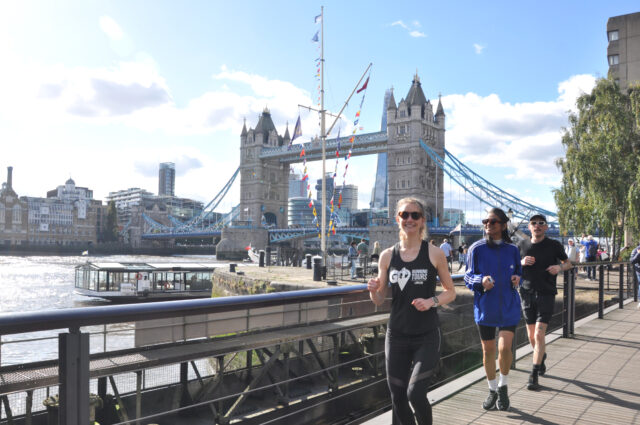
5 Questions with Lena Andersson, Founder and CEO of Go! Running Tours
Running USA's Leah Etling sat down with Lena Andersson, the visionary behind Go! Running Tours — a global network that combines sightseeing with sweat, offering guided running experiences in cities around the world. From the company's beginnings to leading a worldwide movement of running tourism, Lena shares her journey, insights on entrepreneurship, and the power of exploring cities one stride at a time.