
10 Race Day Operations Tips
3 min read


How to Create a Great Course for a Small Race
When small mom-and-pop races, as he calls them, come to Jim Gilmer for help with course creation, operational set-up, and logistics, they almost always have a general idea of what they want to do.

Certifying Your Course: Do You Need to Bother?
If you are a new race director or direct a smaller race, perhaps you have been asked if your course is “certified.” It must be important if potential entrants are asking about it, right? YES: in almost every case, having your course certified IS important
Everything Race Directors Need to Know About Port-a-Potties
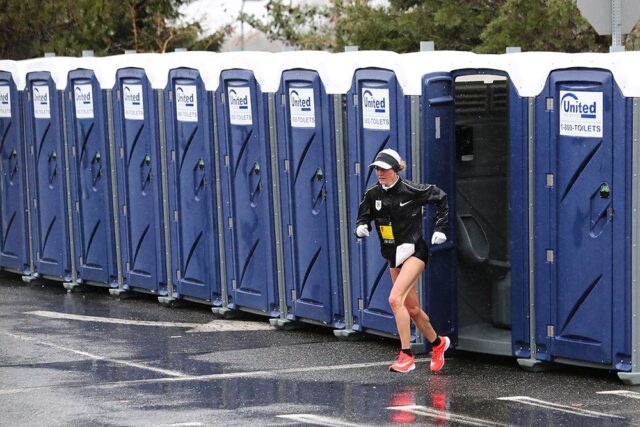
Well-known Boston Marathon race director, Dave McGillivray, who also founded DMSE Sports, once got locked in a port-a-potty 20 minutes before the start of the Boston Marathon. Everyone was waiting for him and he was stuck. “And then I dropped my two-way radio into the unit,” he said, while he was trying to get out.

Avoid These Common Race Director Mistakes
Race director-ing is hard. Creating a race, managing the operations and logistics and staff, marketing it and communicating with athletes, and building all of that into a sustainable and profitable event (or events) is no small task.

How to Correctly Staff Your Next Event
You’re ready to get your event off the ground or take it to the next level, but besides doing absolutely everything yourself and roping in friends to help you, you’re not sure how to staff the race: How many people do you need? Should they be volunteers or employees? Where do you even find them?